
Advances in color-tuning technology allow users to change the color of light in real time to suit specific tasks or moods. Furthermore, the integration of artificial intelligence (AI) and machine learning into lighting systems helps create personalized lighting scenarios, optimize user experience and promote energy savings.
In addition, innovations such as bioluminescent lamps that harness the natural light of living organisms provide sustainable and chemical-free lighting solutions… Let’s take a look at the 10 trends that will be applied in 2024 in the lighting technology industry below.
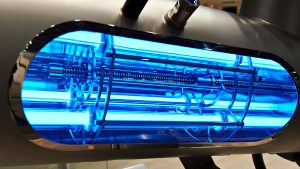
1. UV Disinfection:
UV-C disinfection is becoming an important trend in the lighting industry, especially after the COVID-19 pandemic. This technology uses UV-C light to kill bacteria and viruses on surfaces and in the air, helping to protect human health. Companies like NovoLabs and Puro Lighting have developed advanced UV disinfection systems that enhance safety and hygiene in a variety of environments from hospitals to offices.
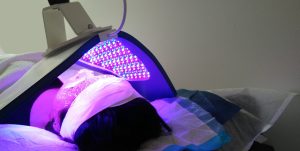
2. Therapeutic Lighting:
Therapeutic light is an emerging technology that aims to improve human health and well-being. Products like LED light masks, LED therapy lamps, and red light gloves are being used to treat skin conditions like acne and regulate sleep cycles by influencing melatonin production. These devices offer a non-invasive, drug-free treatment that uses light to stimulate cellular responses.
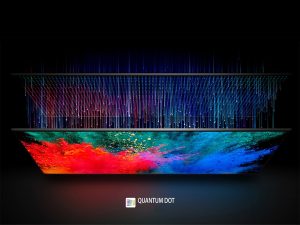
3. Quantum Dot Technology:
Quantum dot technology is opening up new possibilities for the lighting industry, improving color accuracy and energy efficiency. Quantum dots are capable of emitting light with higher brightness and color, while consuming less energy. This technology is widely applied in modern displays and lighting equipment, providing better visual and lighting experiences.

4. Dynamic Lighting:
Dynamic lighting is a new trend that allows real-time adjustment of lighting, suitable for the needs and mood of the user. This technology uses sensors and smart control systems to change the intensity and color of light based on factors such as time of day and user activity. For example, Philips Hue’s lighting system allows users to adjust the light via a mobile application, creating the ideal lighting environment for all activities.

5. Li-Fi:
Li-Fi, or Light Fidelity, is a light-based data transmission technology that is an alternative to traditional Wi-Fi technology. Li-Fi uses light waves to transmit data at higher speeds and with greater security. This technology not only provides greater bandwidth but also minimizes electromagnetic interference, making it an ideal choice for applications that require high data transmission speeds.
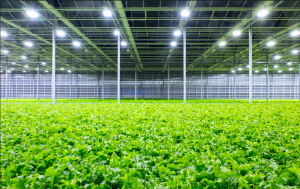
6. Agricultural Illumination:
Agricultural lighting optimizes light for plant growth. This technology uses customized light recipes to improve crop yield and quality, thereby helping farmers achieve higher efficiency in agricultural production. Studies have shown that the use of LED lights in greenhouses can increase crop yields by up to 30% compared to traditional lighting.

7. Off-Grid Lights:
Off-grid lights are solar-powered lighting solutions that provide light to areas without grid power. This is a sustainable, energy-efficient solution that is very useful for remote areas where grid power is difficult to provide.

8. Lighting Design Software:
Lighting design software helps simulate and optimize lighting projects, improving the efficiency and aesthetics of lighting solutions. These tools allow designers to create different lighting scenarios and optimize the use of light in different spaces.
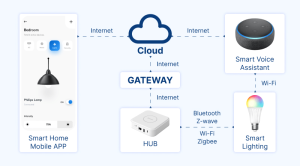
9. IoT-based Light Systems:
IoT-based lighting systems allow remote control and monitoring of lighting through smart devices. This technology not only enhances convenience but also saves energy by automatically adjusting lighting based on user presence and environmental factors.
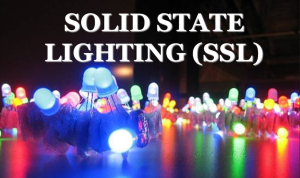
10. Solid-State Lighting:
Solid-state lighting, such as LEDs, is setting new standards for energy efficiency and longevity. This technology not only reduces energy consumption but also reduces maintenance costs, bringing great benefits to consumers and businesses.


